

Biogas: What’s New
Marzo 14, 2017
Reducing greenhouse gas emissions and increasing the share of energy produced from renewable sources is one of the expectations for 2020.
This is the content of the “20-20-20 climate and energy package” launched by the European Union with the hope of combating climate change and promoting the use of renewable energy sources through targets set by member countries.
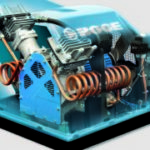
Parker Hiross has always placed respect for the environment at the heart of its design choices, paying particular attention to the development and improvement of products and technologies dedicated to the renewable energy market, particularly in relation to the biogas sector, which is one of the most widely used sources for the production of thermal, electrical, and renewable energy.
Bioenergy isthe energy stored in organic materials such as plants and animal waste.
There are various types of energy sources, including agricultural residues, wood waste, forest residues, landfills, animal waste, and energy crops.
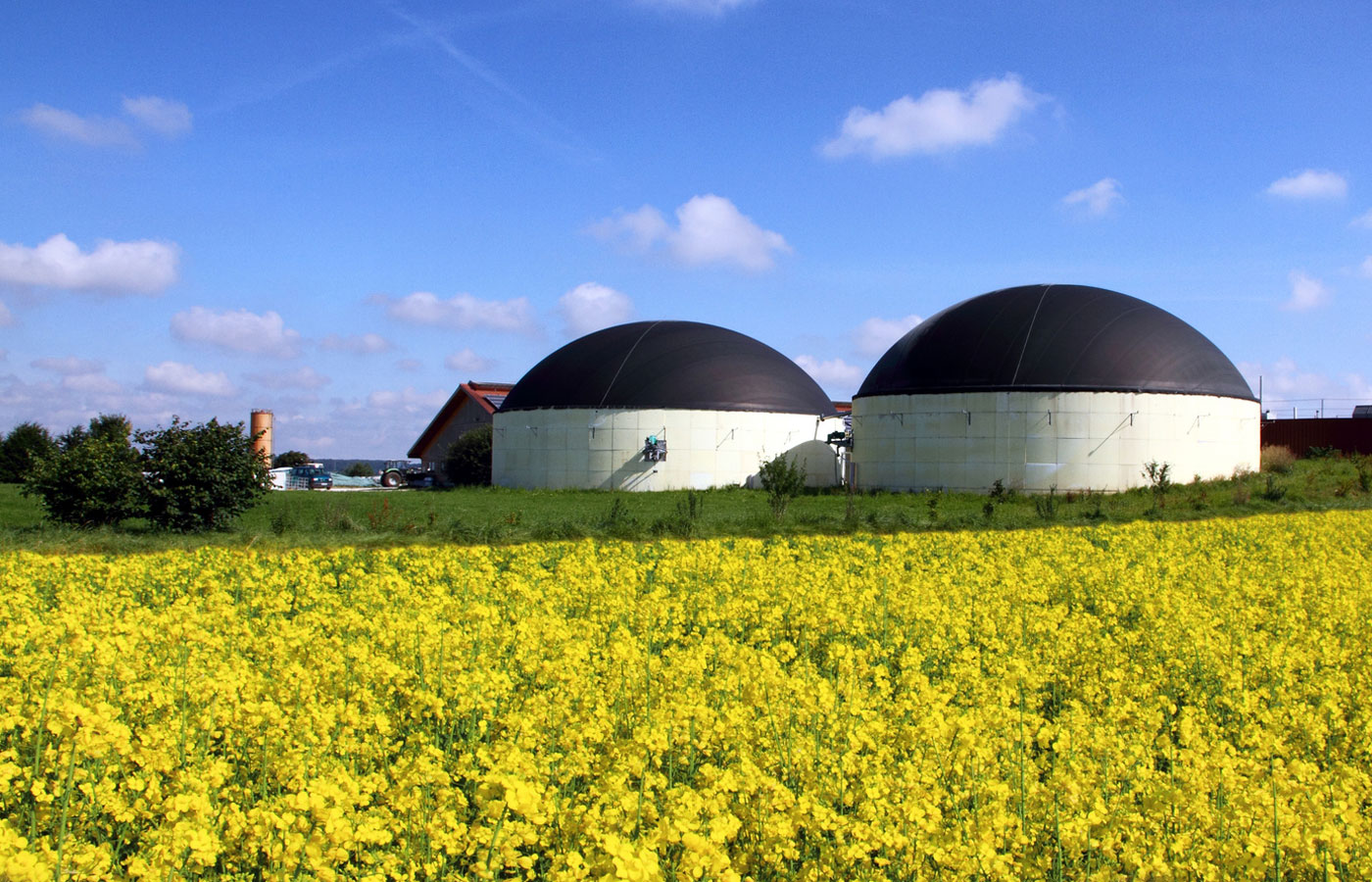
These elements undergo a decomposition process by specific bacteria through anaerobic digestion (in the absence of oxygen), which transforms them into biogas.
Biogas is mainly composed of methane, which determines its content, and carbon dioxide.
It contains traces of nitrogen, hydrogen, and carbon monoxide, in addition to small amounts of sulfuric acid and ammonia.
Biogas is usually saturated with water vapor and contains impurities that must be removed to prevent corrosion and damage to plants and equipment in order to improve the efficiency of cogenerators.
A significant improvement is the increase in quality; the products are made of stainless steel and undergo a special pickling and passivation treatment to make them more resistant to corrosion and extend their operating life.
“Efficiency, quality, savings, and respect for the environment” are the values that distinguish the Parker world and the foundations on which Parker Hiross technologies are built.